How to Care for Your Scalp? A Complete Guide to a Healthy Foundation for Hair
- dehairprofilesinga
- Apr 4
- 4 min read

When it comes to hair care, many people focus only on shampoos, conditioners, and styling products for the hair itself. However, healthy hair begins at the scalp. Your scalp is living skin that contains hair follicles, oil glands, and blood vessels that support hair growth. If your scalp is not healthy, your hair may appear dull, weak, or prone to shedding.
Proper scalp care creates the ideal environment for strong, shiny, and resilient hair. With the right routine, you can maintain balance and prevent common issues such as dryness, oiliness, irritation, and buildup.
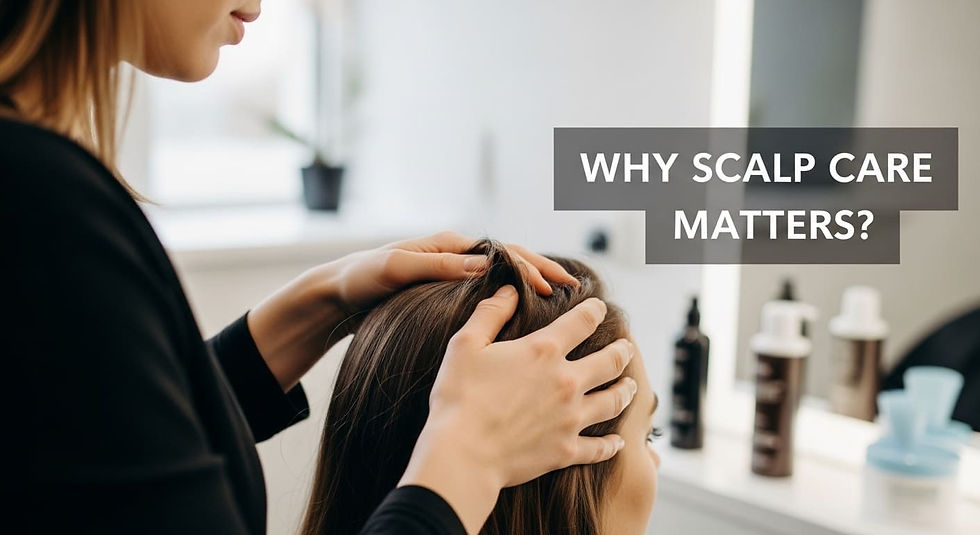
Why Scalp Care Matters?
The scalp produces natural oils (sebum) that protect and moisturise both the scalp and hair. When oil production is balanced, the scalp feels comfortable, and hair looks healthy. However, too much oil can cause buildup and clogged follicles, while too little can lead to dryness and flaking.
Ignoring scalp health may result in:
Itching or irritation
Dandruff or flaking
Excess oiliness
Product buildup
Weakened hair growth
Caring for your scalp helps maintain balance and supports overall hair health.

How to Care for Your Scalp?
1. Cleanse According to Your Scalp Type
Washing your scalp properly is the foundation of scalp care.
If you have an oily scalp, you may need to wash more frequently.
If you have a dry scalp, choose a gentle, hydrating shampoo.
Massage shampoo into your scalp using your fingertips.
Avoid scratching with your nails, as this can irritate.
The goal is to remove dirt, sweat, and buildup without stripping natural oils.
2. Exfoliate Occasionally
Just like the skin on your face, your scalp can accumulate dead skin cells.
Use a gentle scalp scrub once every one to two weeks.
Choose products designed specifically for scalp exfoliation.
Avoid over-exfoliating, as it may lead to sensitivity.
Exfoliation helps unclog follicles and promotes a cleaner scalp environment.
3. Keep the Scalp Hydrated
A dry scalp can cause tightness, itching, and flaking.
To maintain hydration:
Use moisturising shampoos and conditioners.
Apply lightweight scalp serums if needed.
Avoid very hot water when washing your hair.
Balanced hydration keeps the scalp comfortable and healthy.
4. Avoid Product Buildup
Heavy styling products can clog hair follicles and irritate the scalp.
Use lightweight products whenever possible.
Rinse thoroughly after shampooing and conditioning.
Use a clarifying shampoo occasionally if you use many styling products.
Keeping the scalp clean prevents blocked follicles and discomfort.
5. Massage Your Scalp Regularly
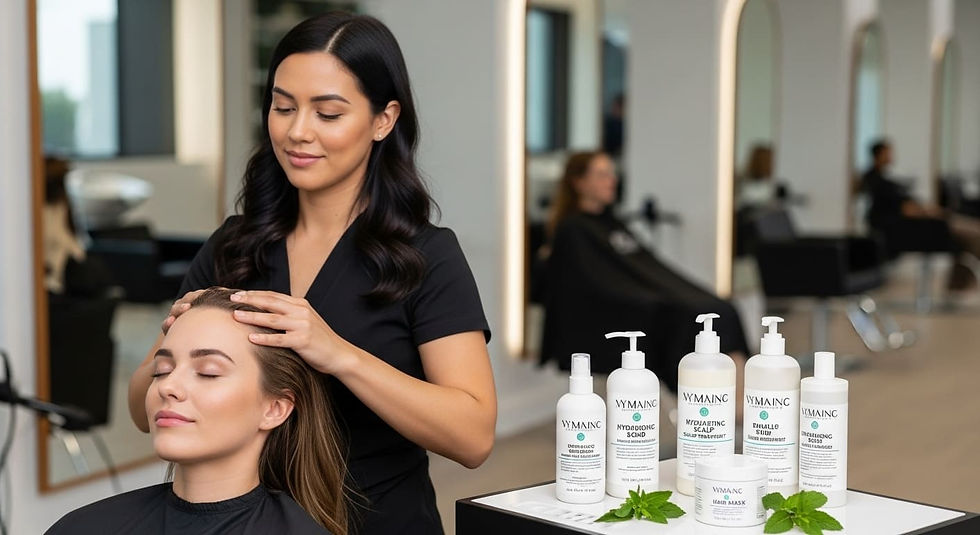
Scalp massage can improve blood circulation, which supports healthy hair growth.
Use your fingertips to gently massage for 5–10 minutes.
You can do this while shampooing or applying oil.
Apply gentle pressure without scratching.
Regular massage may also help relieve tension and promote relaxation.
6. Protect Your Scalp from Sun Exposure
Your scalp can become sunburned, especially if you have thin hair or a visible part.
Wear a hat when spending time in direct sunlight.
Use scalp-friendly sun protection products if necessary.
Sun protection helps prevent dryness and irritation.
7. Maintain a Healthy Diet
Scalp health is influenced by what you eat.
Stay hydrated by drinking enough water.
Include protein, iron, and healthy fats in your diet.
Eat a balanced diet rich in vitamins and minerals.
Proper nutrition supports circulation and hair growth from within.
8. Limit Harsh Chemical Treatments
Frequent colouring, bleaching, or chemical treatments can irritate the scalp.
Space out chemical services.
Use gentle products between treatments.
Follow up with nourishing treatments to restore balance.
Reducing chemical stress keeps your scalp healthier long term.
Signs Your Scalp May Need Attention
You may need to adjust your routine if you notice:
Persistent itching
Redness or irritation
Excessive oiliness or dryness
Flaking that does not improve
Increased hair shedding
If symptoms continue or worsen, consulting a healthcare professional may be helpful.
Conclusion
A healthy scalp is the foundation of healthy hair. By cleansing properly, maintaining hydration, avoiding buildup, and protecting your scalp from damage, you create the best conditions for strong and vibrant hair growth. Small, consistent habits can make a noticeable difference over time. Prioritising scalp care is not just about appearance; it is an essential part of long-term hair health.
Frequently Asked Questions (FAQs)
How often should I wash my scalp?
It depends on your scalp type. Oily scalps may require washing every one to two days, while dry scalps may only need washing two to three times per week.
Is oiling the scalp beneficial?
Yes, oiling can help nourish and moisturise the scalp when done correctly. Use lightweight oils and wash them out properly to avoid buildup.
What causes dandruff?
Dandruff can result from dryness, product buildup, or certain scalp conditions. Using a gentle anti-dandruff shampoo may help manage it.
Can scalp massage improve hair growth?
Scalp massage may increase blood circulation, which can support healthier hair growth over time.
Should conditioner be applied to the scalp?
Conditioner is generally designed for hair lengths and ends. However, lightweight scalp-specific treatments can be used if you have a dry scalp.
How do I know if my scalp is healthy?
A healthy scalp feels comfortable, not itchy or tight, and shows no excessive redness, irritation, or flaking.


Comments