Anti-Frizz Hair Treatment for Curly Hair: A Complete Guide
- dehairprofilesinga
- Feb 19
- 3 min read

Curly hair is beautiful, but it often comes with a common frustration—frizz. Many people struggle with flyaways, dryness, and curls that lose definition due to humidity, heat styling, or improper care. You want curls that are defined, smooth, and manageable without losing their natural bounce. Don’t worry, I got you. This guide promises practical, effective ways to reduce frizz and maintain healthy, vibrant curls.
With the right treatment and hair-care routine, frizz can be tamed, curls can look more defined, and hair can feel soft, hydrated, and healthy.
Why Curly Hair Frizzes
Frizz happens when the hair cuticle is raised or damaged, allowing moisture to pass through and swell the hair shaft. Curly hair is naturally drier because oils from the scalp travel more slowly down the twists and turns of each strand. Key contributors to frizz include:
Humidity and environmental moisture
Heat styling tools such as straighteners or blow dryers
Chemical treatments like colouring or relaxing
Lack of moisture or hydration
Rough towel drying or harsh brushing

Types of Anti-Frizz Treatments
1. Professional Salon Treatments
Salon treatments like anti-frizz treatment are designed to smooth curls, hydrate hair, and reduce frizz for weeks. Popular options include:
Keratin Treatments – Smooth and strengthen hair by infusing keratin protein. Ideal for reducing frizz and defining curls.
Hydrating Curl Treatments – Deep conditioning treatments enriched with natural oils and proteins.
Brazilian Blowouts (Curly Hair Friendly) – Smooths hair while preserving curl pattern and adding shine.
2. At-Home Treatments
Regular care at home is essential to maintain smooth, defined curls. Some options include:
Deep Conditioning Masks – Hydrate curls and reduce frizz. Apply once or twice a week.
Leave-In Conditioners – Provide moisture and help curl definition throughout the day.
Curl Creams and Serums – Smooth frizz, enhance shine, and protect against humidity.
Hair Oils – Argan oil, coconut oil, or jojoba oil can seal the cuticle and reduce frizz.
3. DIY Natural Treatments
Natural ingredients can also help tame frizz and nourish curls:
Avocado and Honey Mask – Hydrates and smooths hair naturally.
Aloe Vera Gel – Seals moisture and adds softness.
Coconut Milk or Oil – Reduces dryness and strengthens hair cuticles.

Tips for Managing Frizz Daily
Use a sulfate-free shampoo to prevent over-drying.
Wash hair 2–3 times a week to retain natural oils.
Avoid rough towel drying; use a microfiber towel or cotton T-shirt to gently blot hair.
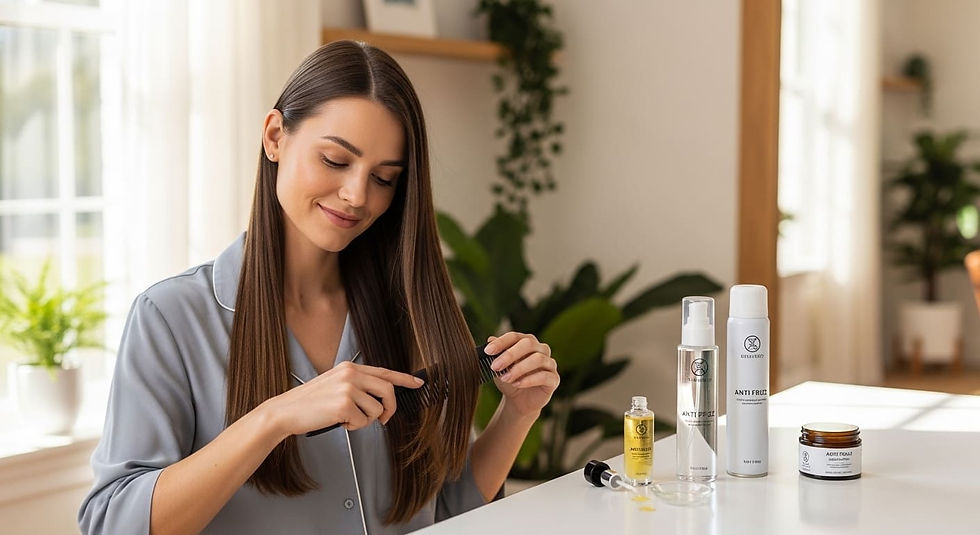
Comb hair while wet with a wide-tooth comb to prevent breakage.
Protect hair from heat with heat protectant sprays before styling.
Sleep on a silk or satin pillowcase to reduce friction and frizz.
How Often to Do Anti-Frizz Treatments
Professional treatments: every 6–8 weeks for lasting results.
Deep conditioning masks: 1–2 times per week.
Leave-in products or oils: daily or as needed, depending on humidity and hair condition.
Benefits of Anti-Frizz Treatments
Defined, manageable curls
Softer, hydrated hair
Reduced flyaways and split ends
Enhanced shine and curl bounce
Easier styling and maintenance

Conclusion
Anti-frizz hair treatments for curly hair combine professional care, at-home maintenance, and natural remedies. Regular hydration, protein treatments, and protective styling help maintain smooth, defined curls while reducing frizz. By following a consistent routine, curly hair can look healthy, vibrant, and manageable every day.
Frizz control is not about eliminating curls—it’s about enhancing them. With the right treatments and care, your curls can stay soft, bouncy, and frizz-free.
Frequently Asked Questions (FAQs)
What is the best professional treatment for frizzy curly hair?
Keratin and hydrating curl treatments are most effective, smoothing hair while enhancing curl definition.
Can I use anti-frizz products on colored hair?
Yes, many anti-frizz masks, oils, and serums are safe for colored or chemically treated hair.
How often should I deep condition my curls?
Once or twice a week is sufficient to maintain hydration and reduce frizz.
Will anti-frizz treatments make my curls straight?
Professional treatments designed for curls preserve the curl pattern while smoothing frizz.
Can natural remedies really reduce frizz?
Yes, ingredients like coconut oil, aloe vera, and avocado hydrate hair, seal moisture, and help reduce frizz naturally.


Comments